

If you are like me, your first project with a DSLR was with an 18-55mm kit lens. There comes a time when you seriously consider switching to a specialized lens, especially if you want to do professional video or film.
When I first mounted a friend’s cinema lens on my Canon Rebel T5i, the lens cost more than the camera, but I remember being shocked at how much better the image could be with a single piece of glass. The world of film lenses is very complex, so this article is meant to be a general guide.
It explains in simple terms what cinema lenses are, why they are used, what to look out for when buying lenses, the price range of popular brands, why cinema lenses are useful, and what to look for when buying them.
Best Cine Lens
Table of Contents
 This guide will not only help you understand what your DP friends are talking about when they talk about lenses, but it will also help you know if cinema lenses are right for you.
Whether you are building a personal lens kit or making a list of equipment to rent for your next movie, choosing a set of lenses is a big decision. It can also be daunting, especially if you are new to the business. So which lenses should you choose? A full set of SLRs? A few zoom lenses? Or both? The answer is not always clear-cut: ask ten filmmakers what their favorite lenses and focal lengths are, and you will probably get just as many answers.
The fact is, everyone has t own preferences in focal length, image quality, and appearance. While lens selection is often a matter of personal preference, production needs should also be considered. For example, even if you are not a fan of zooming, a zoom lens may be essential for your production. In this article, I will try to give you some tips to help you put together a lens package, with a focus on narrative films.
Best Cine Lens | Comparison Table 2026
Top Quality | 5- Star Picks | Great Prices
| Product | Product Name | Key Features | Main Benefits | Price |
|---|---|---|---|---|
 |
Irix Cine 30mm |
|
|
View on Amazon |
 |
Canon CN-E 24mm |
|
|
View on Amazon |
 |
Rokinon Xeen XN50-PL |
|
|
View on Amazon |
 |
IRIX Cine 150mm |
|
|
View on Amazon |
 |
FUJINON MK50-135mm |
|
|
View on Amazon |
 |
Sony E PZ 18-110mm |
|
|
View on Amazon |
 |
Meike 16mm T2.2 |
|
|
View on Amazon |
Best Cine Lens | Reviews 2026
1. Irix Cine 30mm
Product Overview:

Introduction
The IRIX Cine 30mm T1.5 is a professional cine lens designed for full-frame cameras capable of shooting up to 8K video. With a 30mm focal length and a bright T1.5 aperture, it is ideal for medium wide shots, interviews, and cinematic storytelling. Its full-frame coverage also works on crop sensor cameras, providing a 45mm equivalent focal length.
Key Features
-
30mm focal length with T1.5 maximum aperture
-
Full-frame sensor coverage, compatible with crop sensors (45mm equivalent)
-
Ultra HD 8K resolution readiness
-
Very low focus breathing
-
11-blade iris for smooth and pleasing bokeh
-
Weather-sealed construction resistant to dust, sand, and rain
-
95mm front diameter with Mod 0.8 geared rings
-
UV light-reactive engraved focus marks for low-light visibility
-
Magnetic Mount System (MMS) for easy accessory attachment
-
Includes lens hood, front and rear caps, lens support foot, and 2-year limited warranty
Benefits
This lens provides cinematic-quality visuals with excellent sharpness, contrast, and smooth background separation. Its rugged, weather-sealed design makes it reliable for outdoor shoots in challenging conditions. The geared rings and MMS system enable precise, professional control over focus and aperture adjustments, ideal for filmmaking workflows.
Focal Length Suitability for Cinematography
At 30mm on full-frame cameras, the lens is perfect for medium wide shots, environmental portraits, and interview setups. On crop sensors, the effective 45mm focal length is ideal for tighter framing while maintaining natural perspective.
Aperture Performance
The T1.5 maximum aperture allows shooting in low-light environments while offering strong subject isolation. It enables precise control over exposure and depth of field, supporting cinematic looks with smooth, creamy backgrounds.
Depth of Field Control
The lens provides excellent depth-of-field management, allowing filmmakers to isolate subjects or maintain selective focus across the frame. Combined with the 11-blade iris, it produces a natural, round bokeh that enhances cinematic aesthetics.
Sharpness and Image Quality
The IRIX Cine 30mm T1.5 delivers sharp, detailed images across the frame, with minimal distortion and very low focus breathing. Color rendition is natural and contrast is high, making it suitable for professional-grade video production.
Color Rendition and Contrast
The lens maintains consistent and accurate color reproduction, with balanced contrast suitable for grading in post-production. It preserves skin tones and scene colors faithfully, enhancing visual storytelling.
Autofocus / Manual Focus Control
Designed primarily for manual focus, the Mod 0.8 geared rings provide precise control over focus and aperture adjustments. The engraved UV-reactive focus markings improve usability in low-light environments, making it ideal for professional cinematography.
Build Quality and Durability
The lens features a robust, weather-sealed construction designed to withstand dust, sand, and rain. Its solid build, coupled with a standardized 95mm front diameter, ensures compatibility with a wide range of accessories and seamless integration into professional cine setups.
The IRIX Cine 30mm T1.5 is a versatile, high-quality cine lens designed for filmmakers and videographers seeking precise focus control, cinematic image quality, and reliable performance in any shooting environment.
- High-quality cine lens is suitable for professional filmmakers, photographers and videographers.
- Built to withstand harsh weather conditions
- Equipped with advanced features such as the Magnetic Mount System (MMS)
- The versatile lens that is perfect for medium wide shots and interviews
- UV light-reactive paint on the lens markings makes filming in low-light conditions much
- May be expensive
- suitable for close-up shots
- Some users may find the lens to be heavy or bulky.
2. Canon CN-E 24mm
Product Overview:

Introduction
The Canon CN-E 24mm T1.5 L F Prime (EF mount) is a professional-grade wide-angle cine lens designed for high-end digital cinematography. Built for Canon cinema cameras, full-frame EOS DSLRs, and EF-mount video cameras, it delivers exceptional optical performance and reliability in professional shooting environments.
Key Features
-
24mm wide-angle focal length
-
T1.5 maximum aperture for shallow depth of field and low-light performance
-
11-blade iris for smooth, round bokeh
-
Stepless, 300° focus rotation with dual focus markings
-
Dust and water-resistant housing for durability
-
Gear rings compatible with follow focus systems
-
Maintains same gear positions and form factor as other CN-E lenses
-
Compatible with Canon EF 1.4x and 2x extenders
Benefits
This lens provides precise control over focus and aperture, enabling smooth cinematic transitions and shallow depth-of-field effects. Its wide-angle perspective is perfect for capturing expansive scenes, environmental storytelling, and professional-grade production setups. Durable construction ensures reliable performance in challenging conditions.
Focal Length Suitability for Cinematography
At 24mm, the lens is ideal for wide shots, landscapes, interiors, and establishing shots. It offers a natural perspective on full-frame and Super 35 sensors, making it versatile for narrative filmmaking and creative cinematography.
Aperture Performance
The T1.5 maximum aperture allows shooting in low-light conditions while providing excellent subject isolation. It also enables precise exposure control and creative depth-of-field effects.
Depth of Field Control
With its fast aperture and 11-blade iris, the lens produces smooth, round bokeh and excellent separation between subject and background, allowing filmmakers to emphasize key elements within a scene.
Sharpness and Image Quality
Canon’s optical engineering ensures high sharpness and minimal optical aberrations across the frame. The lens maintains excellent clarity and detail even at wide-open apertures, with virtually zero focus breathing.
Color Rendition and Contrast
The lens delivers natural and accurate color reproduction with balanced contrast, preserving skin tones and scene details. This consistency is crucial for cinematic color grading in post-production.
Low-Light Performance
Thanks to the T1.5 maximum aperture, the lens excels in low-light environments, enabling handheld shooting or minimal lighting setups without compromising image quality.
Autofocus / Manual Focus Control
Designed for manual focus, the lens features smooth, stepless focus rotation and dual focus markings, ensuring precise adjustments. The gear rings are fully compatible with follow focus systems for professional video workflows.
Build Quality and Durability
The CN-E 24mm is robustly constructed with dust and moisture resistance, suitable for demanding shooting conditions. Its consistent form factor allows easy lens swaps alongside other CN-E series lenses.
Portability and Weight
Compact and ergonomically designed, the lens balances professional functionality with manageable size and weight, making it suitable for both studio and on-location shoots.
Compatibility with Canon Cinema Cameras
Fully compatible with Canon C-series cinema cameras, EF-mount DSLRs, and other EF-mount video cameras. Supports Canon EF extenders (1.4x and 2x) for extended focal length versatility.
- Fast T1.5 maximum aperture allows for shallow depth of field and improved low-light performance.
- 11-blade diaphragm produces round and smooth bokeh.
- Steeples, smooth, and fully manual diaphragm ring provides precise control over aperture.
- Focus and aperture gear rings allow for smooth and accurate focus adjustments during filming.
- Compatible with the canon EF Extender 1.4x and 2x, which can increase the focal length of the lens
- Expensive compared to other lenses of similar focal length
- Not intended for sale in the US, may not come with the same warranty or accessories as the version sold in the US.
- May be heavy for extended use.
3. Rokinon Xeen XN50-PL
Product Overview:

Introduction
The Rokinon Xeen XN50-PL 50mm T1.5 Cine Lens is a professional-grade lens designed for PL-mount cameras, delivering high-quality optics at an affordable price. Part of the Xeen by Rokinon cine series, it offers filmmakers precision, consistency, and reliability for cinematic productions.
Key Features
-
50mm focal length with T1.5 maximum aperture
-
Durable aluminum housing built for professional use
-
114mm front diameter compatible with large filters and matte boxes
-
Extended 200° focus throw for precise manual focusing
-
Unified focus, aperture, and T-stop scale positions across all Xeen lenses
-
11-blade diaphragm for smooth, cinematic bokeh
-
Lightweight at 2.7 lbs for versatile shooting setups
Benefits
This lens provides filmmakers with consistent performance across the Xeen lineup, smooth bokeh, minimal distortion, and reliable low-light performance. Its extended focus throw and precise gears make it ideal for narrative filmmaking, interviews, and cinematic storytelling.
Aperture Performance
With a bright T1.5 aperture, the lens enables excellent subject isolation and shallow depth-of-field effects. It also allows shooting in low-light conditions without compromising image quality.
Sharpness and Image Quality
The XN50-PL delivers sharp, high-quality images across the frame with accurate color rendition and minimal optical distortion, making it suitable for professional video production.
Focus Breathing
The lens exhibits minimal focus breathing, allowing smooth focus transitions and maintaining framing consistency during pulling focus, crucial for professional filmmaking.
Low-Light Performance
The wide T1.5 aperture enhances low-light capability, making the lens ideal for indoor and evening shoots while preserving image clarity and cinematic aesthetics.
Build Quality and Durability
Constructed from robust aluminum, the lens is designed to withstand rigorous professional use. The durable housing ensures reliability for on-location shoots and demanding production environments.
Handling and Ergonomics
Smooth focus and aperture gears, a generous 200° focus throw, and unified gear placement allow precise adjustments and compatibility with follow focus systems. The lens is user-friendly for operators in both studio and field settings.
Portability and Weight
Despite its professional features, the lens weighs only 2.7 lbs, making it manageable for handheld work, gimbals, or lightweight rigs without compromising functionality.
Compatibility with Camera Systems
The XN50-PL is designed for PL-mount cameras but Xeen lenses are also available in Canon EF, Nikon, Sony FE, and Micro Four Thirds mounts, ensuring versatility across different camera systems.
The Rokinon Xeen XN50-PL 50mm T1.5 Cine Lens combines precision, affordability, and professional performance, making it an excellent choice for filmmakers seeking high-quality optics without the premium price tag.
- Affordable compared to other professional cine lenses.
- Durable aluminum housing.
- Smooth and accurate focusing and aperture gears.
- Generous focusing throw for precise control.
- Compatible with full-frame cameras and available in multiple mount options.
- Only available in a 50mm focal length.
- Not weather-sealed
- Not compatible with smaller sensor cameras
4. IRIX Cine 150mm
Product Overview:

Introduction
The IRIX Cine 150mm T3.0 Macro Lens with Leica L Mount is a professional-grade cine lens designed for ultra-high-resolution video capture. Its 150mm focal length and 1:1 macro capability make it ideal for detailed close-up cinematography, while its robust, weather-sealed construction ensures reliable performance in diverse shooting conditions.
Key Features
-
150mm focal length with T3.0 maximum aperture
-
1:1 macro magnification for extreme close-ups
-
Ultra HD 8K-ready optics with minimal chromatic aberration
-
Weather-sealed construction for durability
-
Includes lens hood, front/rear caps, and 1/4-20 support foot
-
Leica L mount compatibility
-
3-year limited warranty
Benefits
The lens delivers sharp, high-resolution images with minimal distortion, perfect for macro and detailed cinematography. Its weather-sealed body ensures reliability outdoors, while the 1:1 macro capability expands creative possibilities for filmmakers seeking precise close-up shots.
Focal Length Suitability for Cinematography
The 150mm focal length is ideal for macro videography, product shots, and capturing isolated subjects with stunning detail.
Aperture Performance
The T3.0 aperture allows for controlled depth of field and excellent low-light performance.
Depth of Field Control
Shallow depth of field provides strong subject separation and smooth bokeh.
Sharpness and Image Quality
Ultra HD 8K-ready optics ensure crisp, clear imagery across the frame with minimal distortion.
Color Rendition and Contrast
Natural color reproduction and strong contrast maintain cinematic quality in all lighting conditions.
Low-Light Performance
T3.0 aperture allows reliable shooting in dim environments without sacrificing image clarity.
Focus Breathing
Minimal focus breathing ensures consistent framing during focus pulls.
Manual Focus Operation
Smooth, precise manual focus control is ideal for professional cinematography.
Build Quality and Durability
Weather-sealed construction and robust build make it suitable for outdoor and challenging shooting environments.
Compatibility with Camera Systems
Designed for Leica L mount cameras; compatible with adapters for other cinema camera systems.
-
1:1 macro magnification
-
Ultra HD 8K-ready optics
-
Minimal distortion
-
Weather-sealed construction
-
Smooth manual focus
-
Heavy for handheld use
-
Narrow field of view
-
T3.0 not ideal for extremely low light
5. FUJINON MK50-135mm
Product Overview:

Introduction
The Fujinon MK 50-135mm T2.9 Lens is a professional cine zoom lens engineered for high-quality cinematic production. Designed to complement the MK18-55mm lens, it provides a versatile focal range with minimal distortion and consistent T2.9 aperture, making it ideal for Super 35mm and APS-C sensor cameras.
Key Features
-
50-135mm focal length with constant T2.9 aperture
-
Ultra-compact, lightweight design (<1kg)
-
Fully manual lens rings for focus, zoom, and iris with 0.8M gear pitch
-
E-mount compatibility for Super 35mm/APS-C cameras
-
Includes zoom lever, support foot, and lens hood
-
1-year Fujinon limited warranty
Benefits
The lens offers consistent exposure throughout the zoom range, precise manual control, and high optical performance. Its lightweight, compact build makes it ideal for handheld, gimbal, or studio use, while delivering sharp, distortion-free imagery suitable for professional cinema production.
Focal Length Suitability for Cinematography
50-135mm provides medium to telephoto framing, perfect for portraits, interviews, and medium-distance shots, complementing the MK18-55mm for full coverage in cinema storytelling.
Aperture Performance
The constant T2.9 aperture allows consistent exposure, smooth depth-of-field control, and reliable low-light performance throughout the zoom range.
Sharpness and Image Quality
Delivers sharp, high-contrast imagery with minimal optical aberrations and excellent color rendition across the frame.
Focus Breathing
Minimal focus breathing ensures stable framing when pulling focus during cinematic shots.
Depth of Field Control
T2.9 aperture combined with focal length allows for selective focus and strong subject isolation.
Bokeh Quality
Smooth, cinematic bokeh is produced thanks to optical design and aperture construction, enhancing visual storytelling.
Manual Focus Operation / Gearing
0.8M gear pitch on focus, zoom, and iris rings allows precise control with follow focus systems for professional filming workflows.
Build Quality and Durability
Lightweight yet durable, designed for rigorous shooting environments, with included support foot and lens hood for added protection.
Compatibility with Camera Systems
Designed for Fujinon E-mount cameras with Super 35mm or APS-C sensors. Can integrate seamlessly with other MK series lenses.
-
Constant T2.9 aperture
-
Lightweight and compact
-
Smooth manual focus and zoom
-
Minimal distortion
-
Excellent optical quality
-
Limited full-frame compatibility
-
No built-in image stabilization
-
Short warranty (1 year)
6. Sony E PZ 18-110mm
Product Overview:

Introduction
The Sony E PZ 18-110mm f/4 G OSS Lens is a professional-grade cine lens designed for videographers and cinematographers. Its wide zoom range, constant f/4 aperture, and compact design make it suitable for a variety of shooting scenarios, from handheld and gimbal work to studio productions.
Key Features
-
18–110mm focal length with constant f/4 aperture
-
Smooth Motion Optics (SMO) to minimize focus breathing and optical shifts
-
Cinema-standard MOD 0.8 gear teeth for follow focus compatibility
-
Sliding focus ring for quick manual focus adjustments
-
Optical SteadyShot (OSS) for stabilized footage
-
Compact, lightweight design for APS-C/Super35 E-Mount cameras
Benefits
The lens delivers consistent exposure, smooth zoom and focus transitions, and minimal distortion. Its compact build and OSS make it ideal for handheld, gimbal, or drone use while maintaining professional cinematic quality.
Zoom Range Versatility (18–110mm)
Covers wide-angle to medium telephoto shots, perfect for interviews, narrative filmmaking, and B-roll.
Focal Length Suitability for Cinematography
Versatile for storytelling, offering wide framing and medium telephoto reach without changing lenses.
Aperture Performance
Constant f/4 ensures consistent exposure and depth-of-field control throughout the zoom range.
Sharpness and Image Quality
Delivers crisp, high-resolution images with minimal aberrations and excellent edge-to-edge sharpness.
Color Rendition and Contrast
Accurate color reproduction and high contrast support cinematic-grade visuals.
Autofocus / Manual Focus Control
Smooth manual focus with MOD 0.8 gearing; fast and accurate autofocus for hybrid shooting needs.
Build Quality and Durability
Robust construction suitable for professional use, with weather-sealing for challenging environments.
Portability and Weight
Compact and lightweight, ideal for mobile shooting setups and gimbal operations.
Compatibility with Camera Systems
Designed for Sony E-Mount APS-C/Super35 cameras; integrates well with follow-focus systems..
-
Wide zoom range (18–110mm)
-
Constant f/4 aperture
-
Smooth Motion Optics reduce focus breathing
-
Lightweight and compact
-
MOD 0.8 gearing for follow focus
-
Not full-frame compatible
-
Aperture limited to f/4
-
Slightly expensive
7. Meike 16mm T2.2
Product Overview:

Introduction
The Meike 16mm T2.2 Cine Lens is a wide-angle manual lens designed for videography and cinematography. Its 73-degree field of view and fast T2.2 aperture make it ideal for landscapes, architecture, and creative shallow depth-of-field shots.
Key Features
-
16mm focal length with 73° field of view
-
Fast T2.2 aperture for low-light and shallow depth-of-field
-
Lens construction: 13 elements in 10 groups
-
All-metallic durable build
-
Manual focus with cine gear compatibility
-
M43 mount compatible (Olympus, Panasonic, BMPCC)
Benefits
The lens provides cinematic visuals with minimal distortion, smooth manual focus, and vibrant, sharp images. Its wide aperture allows for excellent low-light performance and creative bokeh, while the robust build ensures reliability for long-term use.
Aperture Performance (T2.2)
T2.2 enables bright imagery and controlled depth of field, suitable for both indoor and outdoor shooting.
Depth of Field Control
Shallow depth-of-field allows for subject isolation and cinematic background blur.
Sharpness and Image Quality
Sharp images with low distortion across the frame, maintaining color fidelity and clarity.
Low-Light Performance
Wide T2.2 aperture facilitates shooting in dim lighting without compromising image quality.
Focus Breathing
Minimal focus breathing ensures smooth focus pulls during video recording.
Manual Focus Operation / Gearing
Precise manual focus control with cine-standard gear for follow focus systems.
Build Quality and Durability
All-metal construction provides durability and longevity for professional use.
Compatibility with Camera Systems / Mounts
Designed for Micro Four Thirds cameras: Olympus E-PL5, OMD-EM10, Panasonic GH5, GM5, BMPCC.
-
Wide 73° angle of view
-
Fast T2.2 aperture
-
Sharp image quality
-
Durable metal build
-
Smooth manual focus
-
Manual focus only
-
Limited to M43 mount
-
No image stabilization
How To Choose The Best Cine Lens | Ultimate Guide 2026

Factors to Consider
The lens is the most important component of a camera. It is no wonder that many people worry about purchasing a new lens. Good lenses are expensive and special. Whether this is the first lens you buy or your twentieth, it is important to know exactly what you are looking for. Here are the main factors to consider before investing in your next lens.
Mounting System
The first thing to consider with a lens is the type of mount. Each camera manufacturer has a different connection system between the lens and the camera. This connection is called the mount. When purchasing a new lens, make sure it will fit your camera.
Common mount systems for digital SLR and mirrorless SLR cameras are as follows. Canon EF, Nikon F, Sony E-mount, Fujinon X-mount, and Micro Four Thirds (MFT), warech is used on most Panasonic cameras. Some lens mounts are only tied to cameras from the same manufacturer, for example, some film cameras use the EF mount outside of the Canon ecosystem.
There are also manufacturers that offer the same lens in several different mounts, such as Sigma, Tamron, Rokinon, and FUJINON. High-end brands such as Zeiss and Cook also offer interchangeable lens mount options.
When investing in lenses, consider the camera and mount you plan to use in the future so that you can continue to use your lens collection after your next upgrade.
Focal length
 Once the compatibility is determined, the focal length will be the deciding factor in lens selection. Focal length is usually the first number listed in the lens description and is measured in millimeters. The smaller the number, the wider the angle of view and the more scenes you can capture. Longer focal length lenses bring the viewer closer to the action and allow for more compression of space in the image.
Focal length is one of the major factors in determining how an image looks. When used intentionally, it is a useful storytelling tool. Extreme lenses, such as super wide-angle or super telephoto, are usually used only for specific creative effects.
Very wide lenses often distort images and can be annoying in the wrong circumstances. In video production, lenses with focal lengths from 20mm to 100mm are common, with a 50mm lens roughly matching the field of view of the human eye.
You will also find that most manufacturers, including Canon, Nikon, Sony, Sigma, and Tokina, produce very similar 24-70mm zooms. This zoom range covers the most commonly used focal lengths. They are also generally affordable, ranging in price from a few hundred to several thousand yen, depending onamountmount and manufacturer.
Effective Focal Length
When choosing a lens by focal length, you must also consider the size of the camera's sensor. Sensors smaller than full size have a crop factor that increases the effective focal length of the lens. When combined with an MFT sensor with a 2x crop factor, a 35mm lens will have an angle of view equivalent to a 70mm lens.
A camera with an APS-C sensor with a crop factor of 1.5x will give the same lens an angle of view almost equivalent to a 52mm lens. Know your camera's crop factor to get the lens you need.
Primary or Zoom Lens
 Primary lenses have a fixed focal length, but zoom lenses can be used to cover a range. They can have a long or short focal length, cover a wide range or only a very narrow range. Zoom lenses are generally more expensive, especially as the zoom range increases.
However, they can replace several prime lenses and are useful in run-and-gun situations where you often crop. There are two types of zoom lenses: built-in and external. External zooms are more common and affordable. If you need accessories such matte boxtebox, you may want to opt for a built-in zoom. Primary lenses have a fixed focal length, while zoom lenses can cover a variety of distances.
Prime lenses, on the other hand, often have a faster or wider maximum aperture f-number than zoom lenses. In addition, because fewer lenses are used, they generally produce sharper images than zoom lenses.
Aperture
 An aperture is a hole in a lens that lets light in. The size of this aperture is controlled by a multi-blade iris. The aperture also affects the blurriness of the picture. The more blades there are, the more circular the aperture is, and the smoother and more beautiful the bokeh in defocused areas.
The size of the aperture is an important indicator. It is the maximum width that can be opened. It is usually measured by the f-number of the lens, such as f/2.8, f/4, f/5.6, etc. The smaller the f-number, the larger the aperture, allowing more light through. Also, as the aperture is opened, the depth of field becomes shallower. In other words, the surface in focus becomes thinner.
Fixed-aperture zooms are easier to use but are generally more expensive. Similarly, lenses with large maximum aperture f-numbers are generally more expensive. However, going from f/4 to f/2.8 makes a huge difference for videographers' workinlow-lightlight situations. It is also recommended for those who want to create cinematic expressions because of its very shallow depth of field.
Sensor Size
 Another important factor to consider when purchasing a lens is the sensor size of the camera. The main sensor types considered here are, in order from largest to smallest, full size, APS-C and Super35, and Micro Four Thirds MFT is both a sensor format and a mount type. Full-size sensors are the largest, so the image from a full-size lens will cover a smaller sensor.
Full-size compatible lenses can be used with any camera. However, if a lens for a crop sensor is used on a full-frame camera, the image will only cover a portion of the sensor. This results in significant vignetting in the image. Avoid using lenses designed for small sensors on large format cameras unless you specifically expect this effect.
Adapters
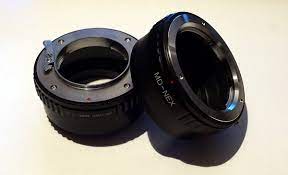 An adapter is an adapter that allows a lens designed for one mount to be attached to a camera with a different mount. They can be found for most mount combinations. While they allow more lenses to be used, adapters also have drawbacks. When using an adapter, you should always consider the size of the sensor and the coverage of the lens.
Also, few adapters allow digital communication between the camera and the lens. If digital communication is lost, autofocusing is not possible. With newer lenses, you may not be able to change the aperture. Adapters can also affect the light that passes through the lens to the sensor. Using an adapter can reduce the exposure by one point. It is a useful tool, but you should always be aware of its drawbacks if you use it.
Cinema Lenses
Cinema lenses differ from fixed lenses in several ways. First, they are more robust and have less tolerance for variations in technical characteristics. They also have a local focus range, which allows for smoother separation and manual aperture. Cinema lenses are designed for use in adverse weather conditions. Because of these stringent specifications, they are often much more expensive than similar fixed lenses.
Cinema lenses are much more common and affordable than cinema zooms. It is important to note that cinema zooms are parfocal. This means that they maintain a constant focus over the entire area of the lens. This makes the design of cinema zooms very complex and expensive to manufacture.
Because cinematographers value consistency, major cinema lenses are often sold as a set. These lenses share the same image quality characteristics and physical design, and the lenses can be easily changed between shoots.
What is the difference between cinema lenses and photographic lenses?
There are many differences between cinema lenses and fixed lenses, in addition to those mentioned above. Cinema lenses, which are specifically designed for film production, have many features that are especially useful for film production.
Many of these features are intended to provide consistency so that the image remains similar from day to day and lens to lens.
F-stops are available for fixed lenses and T-stops are available for film lenses.
For example, unlike fixed lenses that use an F iris, cinema lenses use a T iris.
In the case of fixed lenses, "F" stands for "focal length," and the F value is a theoretical value that describes the relationship between the diameter and length of the lens.
The F value is not as accurate as the T value in representing the amount of light passing through the lens. So, for example, a lens with an F value of 1.4 often has a T value of only 1.7.
This is because T-iris specific measuresures the amount of light passing through the lens. Therefore, if you change lenses while keeping the same T-iris, the amount of light will be the same.
Film Lenses to Minimize Breathing
Many cinema lenses also minimize the "lens breathing" effect found in fixed lenses. This effect occurs when focusing (moving from one object or person to another) and gives the appearance of a change in image scale.
Therefore, with a fixed lens, the breathing of the lens is not noticeable, but with video, the breathing is noticeable. As you have probably already noticed (and have seen on many TV shows), this is very annoying.
Film lenses have a fixed aperture and are parfocal.
Many fixed lenses do not have a fixed aperture, and the aperture changes as you zoom. With cinema lenses, the aperture is clearly defined and marked (as is the focal length), allowing the settings to be recorded and matched each time the picture is taken.
Cinema zoom lenses also use the "parfocal" method, which allows the camera to focus at different focal lengths. Fixed lenses also have this feature, but it is important to know that cinema zoom lenses keep the subject in focus.
Cinema lenses should have no vignetting, minimal wide-angle distortion, and beautiful flare and bokeh. It should also be noted that cinema lenses of the same brand should have consistent color and contrast.
Ultimately, what you get for the price of a cinema arens is consistency and complete control.
Most affordable cinema lenses are prime lenses, and unless you are prepared to spend a lot to zoom in, you will usually end up buying a lens kit that includes a wide lens, a standard lens, and a telephoto lens.
However, when it comefirst-time time purchases, it is a matter of personal preferelly, I like the look of wide-angle lenses, buthe t if depth of field is important to you, you may want to consider a regular length.
Who uses cinema lenses?
Cinema lenses are on the main stage of filmmaking, being used in Hollywood productions for blockbusters. But that doesn't mean you can't use cinema lenses even if, like me, you don't have a $70 million budget for your next project.
Filmmakers, videographers, students, and enthusiasts all use film lenses to excellent effect.
If you are a still photographer, you know that you can shoot with cinema lenses, but the manual aperture and focus settings can be frustrating. Also, cinema lenses are really heavy and expensive compared to fixed lenses.
Nevertheless, if you are shooting something and need or want to take pictures in between, it is doable. However, if you are buying a cinema lens just for still photography, it may not be worth it.
But I digress. Cinema lenses are for everyone. Thanks to brands like Rokinon that make them at a relatively affordable price of $500 a piece, and services like www.lensrentals.com, you can get a reasonably priced cinema lens for your next shoot.
When do you use cinema lenses?
Cinema lenses are better suited for projects that require a higher degree of control and consistent shooting.
There are a few reasons not to use cinema lenses other than budget, and we will discuss lens mounts and adapters later, but we urge you to be aware of them.
While it is nice to be able to use them when needed, lens adapters are expensive and can cause problems.
Besides the financial aspect, the lack of autofocus and zoom is another reason to avoid cinema lenses.
Finally, cinema lenses are heavy. So if you are shooting action sports, moving around a lot, or shooting something alone, cinema lenses can be cumbersome.
FAQs
What is the best focal length for cinematography?
35mm is the preferred focal length for most interviews and is standardized in "commercial" promos and documentaries. This width helps set the tone for corporate videos and testimonials by incorporating more background elements. However, the 50mm lens is closer to what the human eye sees for itself.
What is the best mm lens for video?
In video production, lenses with focal lengths from 20mm to 100mm are commonly used, and a 50mm lens roughly matches the field of view of the human eye. You will also find very similar 24-70mm zoom lenses available from most manufacturers, including Canon, Nikon, Sony, Sigma, and Tokina.
Do cinema lenses offer image stabilization?
Compact Cine Servo lenses are large format EF mount lenses designed to meet the needs of low-budget productions without compromising on optical quality, featuring 3-mode image stabilization and fast autofocusing with Dual Pixel CMOS AF.
Which Lens Is Best For Cinematic Shots?
The choice of lens for cinematic shots ultimately depends on the specific look and feel that you're trying to achieve. However, there are certain types of lenses that are commonly used for cinematic shots.
Here are a few examples:
- Prime lenses: These lenses have a fixed focal length and typically offer a wider aperture than zoom lenses, which allows for a shallower depth of field and more control over the focus. They are often used for close-ups and portraits, as well as shots with a shallow depth of field.
- Wide-angle lenses: These lenses have a shorter focal length than standard lenses and can capture more of the scene in a single shot. They are often used for establishing shots or to create a sense of space and depth in a scene.
- Telephoto lenses: These lenses have a longer focal length than standard lenses and can compress the distance between objects in a scene, creating a more cinematic look. They are often used for medium shots and close-ups.
- Anamorphic lenses: These lenses can create a unique widescreen look by squeezing a wider image onto a standard-sized film frame. They are often used in feature films to create a cinematic look and are known for their distinctive lens flares and bokeh.
Ultimately, the choice of lens will depend on the specific requirements of the shot, including the subject matter, lighting, and intended mood. It's important to experiment with different lenses to find the one that best fits your creative vision.
Are Cine Lenses Better?
Cine lenses are specifically designed for use in the film and video industry, and they have several features that make them advantageous for certain types of filmmaking.
Here are some of the key differences between cine lenses and still photography lenses:
- Build quality: Cine lenses are typically built to a higher standard than still photography lenses, with metal construction, smooth focus and aperture rings, and gears for use with follow focus systems. They are designed to withstand the rigors of daily use on a film set.
- Focus control: Cine lenses have a longer focus throw, which means that they require more turns of the focus ring to move from close focus to infinity. This allows for more precise control over focus, which is particularly important when shooting video.
- Aperture control: Cine lenses often have a de-clicked aperture ring, which allows for smooth, stepless adjustments to the aperture during a shot. This is essential when shooting video, where changes in exposure must be made gradually and without sudden jumps in brightness.
- Optical quality: Cine lenses are designed to produce high-quality images that are consistent across the frame, with minimal distortion, color fringing, and other aberrations. They are often used in high-end productions where image quality is a top priority.
While cine lenses have many advantages for filmmaking, they may not always be necessary or appropriate for every project. For some types of content, still, photography lenses may be perfectly adequate, and they are often less expensive than cine lenses. Ultimately, the choice of lens will depend on the specific needs of the project and the filmmaker's creative vision.
Do Cine Lenses Make A Difference?
Yes, cine lenses can make a significant difference in the quality and aesthetic of your video production. Here are a few reasons why:
Image quality: Cine lenses are designed to produce high-quality, consistent images across the frame, with minimal distortion, color fringing, and other optical aberrations. This can result in sharper, more detailed footage with better contrast and color accuracy.
Focus control: Cine lenses have a longer focus throw than still photography lenses, which allows for more precise control over focus. This is particularly important when shooting a video, where the focus must be maintained throughout a shot. The smooth focus ring of cine lenses also allows for more precise adjustments to the focus during a shot.
Aperture control: Cine lenses often have a de-clicked aperture ring, which allows for smooth, stepless adjustments to the aperture during a shot. This is essential when shooting video, where changes in exposure must be made gradually and without sudden jumps in brightness.
Build quality: Cine lenses are typically built to a higher standard than still photography lenses, with metal construction, smooth focus and aperture rings, and gears for use with follow focus systems. They are designed to withstand the rigors of daily use on a film set.
However, it's important to note that cine lenses may not be necessary or appropriate for every project. For some types of content, still, photography lenses may be perfectly adequate, and they are often less expensive than cine lenses. Ultimately, the choice of lens will depend on the specific needs of the project and the filmmaker's creative vision.
What Is The Most Cinematic Lens?
The most cinematic lens will depend on the specific needs of the project and the creative vision of the filmmaker. However, there are certain lenses that are commonly used in the film industry to achieve a cinematic look and feel. Here are a few examples:
- Prime lenses: Prime lenses are often used for cinematic shots because of their wide maximum apertures and the shallow depth of field they can produce. They also tend to have high optical quality and produce sharper, more detailed images than zoom lenses. Popular prime lenses for cinematic shots include 35mm, 50mm, and 85mm.
- Anamorphic lenses: Anamorphic lenses are known for their distinctive widescreen look, which can give footage a cinematic quality. They produce a horizontal squeeze on the image, which can then be unsqueezed in post-production to produce the widescreen look. Anamorphic lenses can also produce unique lens flares and bokeh.
- Telephoto lenses: Telephoto lenses can compress the distance between objects in a scene, which can give footage a cinematic feel. They are often used for medium shots and close-ups, as well as shots that require a shallow depth of field.
- Vintage lenses: Some filmmakers prefer to use vintage lenses to achieve a more cinematic look. Older lenses can produce a softer, more organic look that can give footage a nostalgic feel.
Ultimately, the most cinematic lens will depend on the specific needs of the project and the creative vision of the filmmaker. It's important to experiment with different lenses to find the one that best fits your creative vision.
Which Lens Is Used In Movie Theatre?
The lens used in a movie theatre depends on the projector being used to display the film. Traditionally, 35mm film projectors used a lens with a focal length of around 50mm, which would provide a standard field of view and produce an image that was neither too wide nor too narrow.
However, in recent years, many movie theatres have switched to digital projectors, which use a different type of lens. Digital projectors typically use a lens with a throw ratio of around 1.8 to 2.5, which means that the distance from the projector to the screen is 1.8 to 2.5 times the width of the screen. This allows for a wide range of screen sizes and viewing distances.
It's worth noting that the lens used in a movie theatre is not typically a cine lens, as these are designed for use with cinema cameras and not with projectors. Instead, projector lenses are specifically designed to work with the light output and image resolution of digital projectors to produce a high-quality image on the screen.
Which Fps Is Best For Cinematic?
The choice of frame rate for a cinematic video will depend on a variety of factors, including the desired look and feel of the footage, the shooting environment, and the technical requirements of the project. However, the most commonly used frame rates for cinematic video are 24 frames per second (fps) and 30 fps.
24 fps is often considered the standard for cinematic video because it matches the frame rate of traditional film cameras. This frame rate has a more cinematic feel, with a slight motion blur that can create a more immersive viewing experience. It's also easier to edit and color-grade footage shot at 24 fps, as many editing programs and color-grading tools are optimized for this frame rate.
30 fps is another popular frame rate for cinematic video, particularly in the United States where it matches the refresh rate of most television sets. This frame rate can produce smoother, more fluid motion in the footage, but it can also have a more "video-like" look that some filmmakers may want to avoid.
Ultimately, the choice of frame rate will depend on the specific needs of the project and the creative vision of the filmmaker. It's important to experiment with different frame rates to find the one that best fits your project.
Which Is The Best Lens In The World?
There is no definitive answer to the question of which is the best lens in the world, as the answer will depend on a variety of factors, including the specific needs of the photographer or filmmaker, the intended use of the lens, and personal preferences. However, there are several lenses that are widely regarded as some of the best available:
- Canon EF 50mm f/1.2L USM: This prime lens from Canon is known for its sharpness, fast maximum aperture, and beautiful bokeh. It is a favorite among portrait and wedding photographers.
- Nikon AF-S Nikkor 70-200mm f/2.8E FL ED VR: This telephoto zoom lens from Nikon is known for its sharpness, versatility, and fast maximum aperture. It is a favorite among sports and wildlife photographers.
- Zeiss Otus 55mm f/1.4: This prime lens from Zeiss is known for its exceptional sharpness, contrast, and color accuracy. It is a favorite among landscape and studio photographers.
- Leica Summilux-M 50mm f/1.4 ASPH: This prime lens from Leica is known for its sharpness, contrast, and beautiful bokeh. It is a favorite among street and documentary photographers.
- Sigma 18-35mm f/1.8 DC HSM Art: This zoom lens from Sigma is known for its sharpness, fast maximum aperture, and versatility. It is a favorite among videographers and filmmakers.
Ultimately, the best lens in the world will depend on the specific needs of the photographer or filmmaker, and personal preferences.
Which Brand Lens Is Best?
The question of which brand of the lens is best is subjective and depends on individual preferences, shooting style, and budget. There are several brands of lenses available in the market that offer excellent image quality and performance, including:
- Canon: Canon is a popular brand known for its high-quality lenses that work seamlessly with its cameras. Canon lenses are known for their sharpness, color accuracy, and versatility.
- Nikon: Nikon is another popular brand that offers high-quality lenses with exceptional image quality and performance. Nikon lenses are known for their sharpness, contrast, and color accuracy.
- Sony: Sony is a relatively newer player in the camera and lens market, but its lenses are known for their exceptional image quality and fast autofocus performance. Sony lenses are also known for their compact size and lightweight design.
- Zeiss: Zeiss is a premium lens brand known for its exceptional image quality and craftsmanship. Zeiss lenses are popular among professional photographers and filmmakers who demand the highest level of performance and quality.
- Sigma: Sigma is a brand that offers high-quality lenses at affordable prices. Sigma lenses are known for their sharpness, fast autofocus performance, and versatility.
Ultimately, the best brand of the lens will depend on individual preferences, shooting style, and budget. It's important to do research and try out different lenses to find the brand and type of lens that works best for your specific needs.
Which Lens Looks Best For Eyes?
When it comes to capturing the eyes in photography or videography, a lens with a wide aperture and a focal length in the range of 85mm to 135mm is generally considered to be ideal. This allows for a shallow depth of field, which can help to draw attention to the eyes and create a beautiful, soft background blur.
Some lenses that are commonly used for capturing eyes in portraits include:
- Canon EF 85mm f/1.2L II USM: This lens is known for its beautiful bokeh and shallow depth of field, making it a popular choice among portrait photographers.
- Nikon AF-S Nikkor 105mm f/1.4E ED: This lens is known for its sharpness and ability to capture stunning images with shallow depth of field, making it a great choice for portraits.
- Sony FE 135mm f/1.8 GM: This lens is known for its excellent sharpness and fast autofocus performance, making it a great choice for capturing eyes in portraits.
- Zeiss Otus 85mm f/1.4: This lens is known for its exceptional sharpness and beautiful bokeh, making it a great choice for portraits and other types of photography that focus on the eyes.
Ultimately, the choice of lens will depend on individual preferences, shooting style, and budget. It's important to experiment with different lenses to find the one that works best for your specific needs.
Do Cine Lenses Have Autofocus?
Cine lenses are primarily designed for use in video and film production, where manual focus is often preferred over autofocus. As a result, many cine lenses do not have autofocus capabilities.
Instead, cine lenses are designed to offer smooth, precise manual focus control with a focus ring that rotates smoothly and accurately, allowing filmmakers to achieve precise focus pulls and follow focus shots.
That being said, there are some cine lenses that do offer autofocus capabilities, such as the Canon CN-E 18-80mm T4.4 L IS KAS S, which is a cine-style zoom lens with autofocus functionality.
Overall, while some cine lenses may offer autofocus capabilities, many are designed with manual focus in mind, as this allows filmmakers to have greater control over the focus and depth of field in their shots.
Are Samyang Cine Lenses Full-Frame?
Samyang offers a range of cine lenses that are compatible with full-frame sensors. The Samyang Cine lenses are available in a variety of focal lengths and apertures, and they are designed for use in professional video and film production.
Some of the Samyang Cine lenses that are compatible with full-frame sensors include:
- Samyang Cine DS 14mm T3.1 ED AS IF UMC II: This wide-angle lens is designed for use with full-frame sensors, and it features a fast maximum aperture of T3.1.
- Samyang Cine DS 35mm T1.5 AS IF UMC II: This standard prime lens is also designed for use with full-frame sensors, and it features a fast maximum aperture of T1.5.
- Samyang Cine DS 50mm T1.5 AS IF UMC II: This standard prime lens is designed for use with full-frame sensors, and it features a fast maximum aperture of T1.5.
- Samyang Cine DS 85mm T1.5 AS IF UMC II: This telephoto prime lens is also designed for use with full-frame sensors, and it features a fast maximum aperture of T1.5.
Overall, Samyang offers a range of cine lenses that are designed for use with full-frame sensors, making them a popular choice among professional filmmakers and videographers.
What Is Cine Quality?
Cine quality refers to the high standard of video and film production that is typically associated with professional cinema. Cine quality is characterized by a range of factors, including high resolution, accurate color reproduction, sharpness, and detail.
In order to achieve cine quality, filmmakers and videographers use high-quality equipment, including cinema cameras, cine lenses, lighting equipment, and sound equipment. They also use various techniques, such as careful framing, precise camera movements, and advanced post-production techniques, to create a cinematic look and feel.
Cine quality is often associated with a particular aesthetic that emphasizes a shallow depth of field, film-like grain, and a wide dynamic range. This look is often achieved through the use of specialized equipment and post-production techniques, such as color grading and film emulation.
Overall, cine quality represents the highest standard of video and film production, and it requires a combination of high-quality equipment, technical skill, and creative vision to achieve.
What Focal Length Is Best For Cinematic Look?
The choice of focal length for achieving a cinematic look can vary depending on a number of factors, including the desired perspective, the subject matter, and the shooting location. However, in general, focal lengths in the range of 35mm to 85mm are often considered to be ideal for achieving a cinematic look.
Here are a few examples of how different focal lengths can affect the look and feel of a shot:
- 35mm: A 35mm lens has a wide field of view, making it well-suited for capturing expansive landscapes and establishing shots. It can also be used to create a sense of intimacy and proximity when used for close-ups.
- 50mm: A 50mm lens is considered a standard focal length, as it closely approximates the field of view of the human eye. It can be used for a wide range of shots, from establishing shots to close-ups, and it can help to create a natural, realistic look and feel.
- 85mm: An 85mm lens is a popular choice for portrait photography, as it can help to create a shallow depth of field and a flattering perspective. It can also be used to create a sense of separation between the subject and the background.
Ultimately, the choice of focal length will depend on the specific needs of the shot and the desired look and feel. Experimenting with different focal lengths can help to create a unique and compelling cinematic style.
What Lens Is Most Realistic?
The most realistic lens for photography or videography is generally considered to be a lens with a focal length that closely matches the perspective and field of view of the human eye. This is typically a lens with a focal length of around 50mm, which is referred to as a standard lens.
When used at a distance of around 6-8 feet from the subject, a standard lens can create a natural-looking image that closely approximates the way we see the world with our own eyes. This makes it a popular choice for documentary photography, street photography, and other types of photography or videography where a realistic, unobtrusive look is desired.
It's worth noting, however, that the definition of "realistic" can vary depending on the context and the desired aesthetic. For example, in certain genres of photography or videography, such as portraiture or landscape photography, a wider or narrower field of view may be preferred for artistic or dramatic effects. Ultimately, the choice of lens will depend on the specific needs of the shot and the desired look and feel.
Which Camera Lens Is Most Realistic?
As with the previous answer, the most realistic camera lens for photography or videography is generally considered to be a lens with a focal length that closely matches the perspective and field of view of the human eye, which is typically around 50mm for full-frame cameras.
However, it's worth noting that the concept of "realism" in photography or videography can be subjective, as different lenses can produce different effects that may be more or less "realistic" depending on the context and the desired aesthetic.
For example, a wider-angle lens can make objects appear more distant and the environment more spacious, which can create a sense of realism in certain contexts, such as landscape photography or architectural photography. Similarly, a telephoto lens can compress the perspective and make objects appear closer together, which can create a different sense of realism in other contexts, such as sports photography or wildlife photography.
Ultimately, the choice of lens will depend on the specific needs of the shot and the desired look and feel. Different lenses can be used to create different effects, and the most appropriate lens will depend on the subject matter, shooting location, and the artistic goals of the photographer or videographer.
Conclusion
So, now you know a lot more about Best Cine Lens. Whether you are a prospective buyer, are researching, or already own one, we hope this article has helped you learn a little more about the world of Best Cine Lens.
If you have any topics you would like to share with us, such as your experience with cine lenses or personal recommendations, please feel free to leave a comment.
We look forward to hearing what you have to say.


